
Contributions and Roles of Member Cities in the Eurocities Network: The Case of Poznan, Poland
Innovation and Sustainability
Poznan is committed to fostering sustainability and innovation as part of its contributions to the Eurocities network. The city actively pursues goals to reduce CO2 emissions and promote green technology.
Goals
- Reducing CO2 emissions through sustainable urban practices.
- Promoting the development and use of green technologies.
- Encouraging the adoption of renewable energy sources.
Smart City Initiatives
Poznan leverages cutting-edge technology to enhance urban living. These initiatives address various aspects, including environmental conservation and healthcare improvement.
Examples of Smart City Projects
- Deployment of smart water management systems to clean and preserve waterways.
- Implementation of a city-wide, smart healthcare monitoring system aimed at early detection and management of health issues.
- Introduction of intelligent waste management solutions to improve recycling rates and reduce landfill use.
Cultural and Social Projects
As a vibrant member city, Poznan is deeply involved in cultural and social projects that support the community, particularly vulnerable groups.
Official city website: www.poznan.pl
Examples of Cultural and Social Initiatives
- The Poznan Art Week, which showcases local and international artists while promoting cultural diversity.
- Community support programs aimed at assisting the elderly and the homeless.
- Inclusive education initiatives designed to integrate and support children with disabilities.
Urban Planning and Development
Significant urban development projects in Poznan are focused on enhancing livability and tackling the challenges of climate change.
Examples of Urban Development Projects
- Revitalization of green spaces and the creation of new urban parks.
- Development of eco-friendly public transportation options, such as electric buses and bike-sharing programs.
- Implementation of sustainable housing projects aimed at reducing the ecological footprint of residential areas.
Youth and Education
Poznan provides a stimulating environment for students and young professionals through various educational and recreational programs.
Examples of Youth and Education Initiatives
- Establishment of technology hubs and innovation labs in universities and colleges.
- Organization of youth leadership programs to nurture future leaders.
- Development of public libraries and reading programs to encourage lifelong learning.
Benefits of Participation in Eurocities
Participation in the Eurocities network brings numerous advantages to Poznan, including:
- Access to a platform for sharing best practices and innovative solutions with other European cities.
- Opportunities for collaborative projects and funding from the European Union.
- Increased visibility and recognition as a progressive city committed to sustainability and innovation.
- Enhanced capability to influence European urban policy and advocate for local needs at the EU level.
City Name: Poznań, Poland
Location
Poznań is located in west-central Poland, straddling the Warta River. It serves as the capital of the Greater Poland Voivodeship, a region rich in history and economic importance. The city is approximately 275 kilometers west of Warsaw and 145 kilometers east of the German border, making it a strategic point for trade and cultural exchanges.
Population
As of the latest census, Poznań has a population of approximately 540,000 residents. The city is a vibrant mix of diverse demographic groups, with a youthful population due to its renowned educational institutions. The majority of the population is of Polish ethnicity, with a growing number of international students and expatriates enriching the city's cultural tapestry.
Economic Overview
Poznań is an economic powerhouse in Poland, with a diverse economy driven by various sectors. The key industries include manufacturing, trade, logistics, and services. The city is renowned for its automotive and machinery production sectors, food processing, and IT services. Poznań's Gross Domestic Product (GDP) ranks among the highest in Poland, reflecting its dynamic and balanced economic activities.
Historical Significance
Poznań boasts a rich historical heritage, being one of Poland's oldest cities with origins dating back to the 10th century. It played a crucial role in the early formation of the Polish state and was the birthplace of Poland's first rulers, including Mieszko I. Key historical events include the establishment of the first Polish cathedral, the development of trade routes in medieval times, and its resilience through tumultuous periods, such as World War II and the communist era.
Cultural Attractions
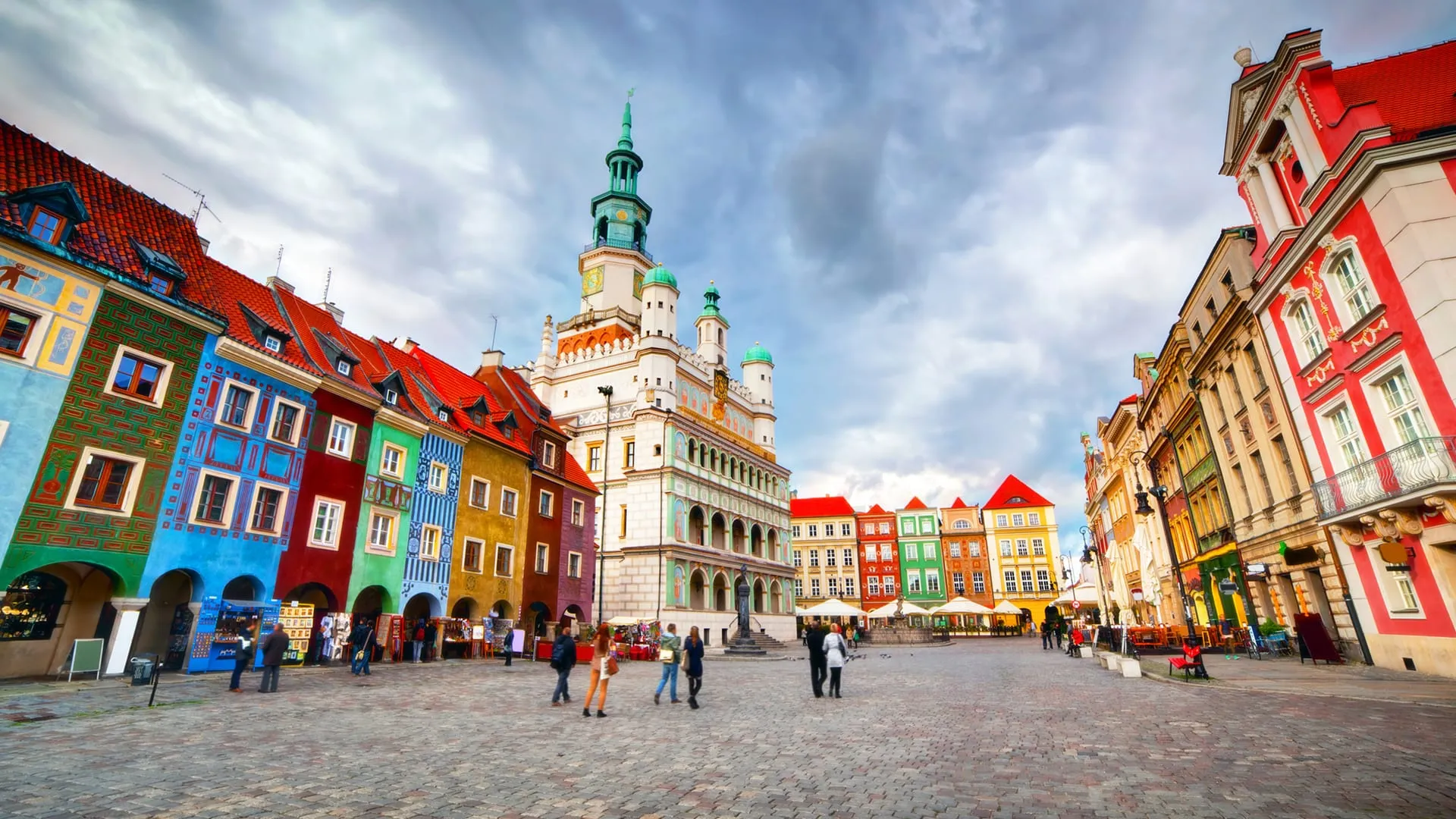
- Poznań Town Hall: A Renaissance masterpiece located in the Old Market Square, famous for its mechanical goats that butt heads daily at noon.
- Poznań International Fair: One of the oldest and largest trade fair centers in Europe, hosting numerous international exhibitions and events.
- Cytadela Park: A vast park and former military fortification, now home to war memorials, museums, and recreational areas.
- Royal Castle: A reconstructed historical residence that offers insight into the city's royal past.
- Malta Lake: A popular recreational area with opportunities for boating, walking, and seasonal events.
Education System
Poznań has a well-developed education system that includes numerous primary and secondary schools, both public and private. The city is particularly noted for its higher education institutions, such as Adam Mickiewicz University, Poznań University of Technology, and Poznań University of Economics. These universities attract students from across Poland and around the world, fostering a vibrant academic atmosphere.
Transportation Infrastructure
Poznań boasts a modern and efficient transportation network. The city's public transit system includes trams and buses that provide extensive coverage. Poznań–Ławica Airport offers both domestic and international flights, connecting the city to major European destinations. The central railway station, Poznań Główny, is a key hub in the Polish railway network, offering frequent connections to Warsaw, Berlin, and other major cities.
Urban Development Projects
Poznań is actively engaged in several urban development projects aimed at improving sustainability and the quality of life. Key initiatives include the revitalization of post-industrial areas, the expansion of green spaces, and the development of smart city technologies to enhance public services and infrastructure.
Environmental Initiatives
The city of Poznań is dedicated to environmental sustainability and protection. Efforts include promoting recycling, enhancing public transportation to reduce air pollution, and initiating energy-efficiency projects. Poznań also participates in international environmental programs and invests in green infrastructure, such as the creation of urban parks and the enhancement of cycling paths.
Quality of Living
Poznań offers a high quality of living, characterized by excellent healthcare services, a safe environment, and numerous amenities. The city is known for its vibrant cultural scene, diverse dining options, and robust public services. Poznań consistently ranks highly in livability indexes, making it an attractive place for both residents and expatriates.
Quality of Life Indexes
- Livability Ranking: Poznań is frequently ranked among the top Polish cities in terms of livability, owing to its strong economy, efficient public services, and cultural richness.
- Health Index: The city provides high-quality healthcare services, with several top-tier hospitals and clinics available to residents.
- Environmental Quality Score: Poznań scores well on environmental quality metrics, thanks to its comprehensive sustainability initiatives and green spaces.
Municipal leadership
The office of City mayor is held by Jacek Jaśkowiak, in office since December 2014.
Office-holder from English Wikipedia and Wikidata Q268, checked September 2026.
Poznan, Greater Poland, Poland: A Comprehensive City Guide
Quality of Life
Safety
Poznan boasts a safety index of 73.45 according to Numbeo, making it one of the safer cities in Europe. This high safety level ensures that residents and visitors feel secure while traversing the city, both during the day and at night.
Healthcare
The healthcare quality in Poznan is rated with an index of 66 on Numbeo. This indicates a well-functioning healthcare system, featuring numerous hospitals and medical facilities equipped to handle a diverse range of health issues. Quality medical care is widely accessible, contributing to the overall health and well-being of its citizens.
Cleanliness
With a pollution index of around 46, Poznan has a moderate level of pollution, reflecting its efforts towards maintaining cleanliness and sustainability. While there is room for improvement, the city's commitment to environmental initiatives is evident, further enhancing the quality of life for its residents.
Transportation
Poznan's transport index stands at 31.43. The city offers a well-developed public transportation network that includes trams, buses, and bike-sharing systems. These modes of transport are not only efficient and affordable but also contribute to reducing traffic congestion and environmental pollution.
Education
Education in Poznan is particularly commendable, with institutions like Adam Mickiewicz University leading the charge. The university is renowned for its high academic standards and diverse programs, attracting students from all over Poland and beyond. This contributes to a vibrant educational environment that supports lifelong learning and innovation.
The index values above are Numbeo’s readings at the time of writing in 2024. Numbeo recalculates them continuously, so for current figures see numbeo.com.
Cost of Living
Housing
For those considering moving to Poznan, the cost of housing is relatively affordable. The average monthly rent for a 1-bedroom apartment in the city center is approximately PLN 2,000. This offers a good balance between affordability and convenience.
Groceries and Dining
Monthly grocery costs for a single person in Poznan are around PLN 300. Dining out is also affordable, with an average meal costing about PLN 50 per person. This makes it feasible for residents to enjoy a variety of dining experiences without straining their budgets.
Utilities
Monthly utility costs for an 85m2 apartment, including heating, cooling, water, and garbage, are approximately PLN 600. These costs are manageable and contribute to the overall affordability of living in the city.
Transportation
The cost of a monthly public transport pass in Poznan is around PLN 100. This pass provides unlimited access to the city's extensive public transportation network, making it a cost-effective option for daily commuting.
Entertainment
- Fitness Club Membership: PLN 80 monthly
- Cinema Ticket: PLN 50
Entertainment options in Poznan are reasonably priced, ensuring that residents can enjoy various leisure activities without significantly impacting their monthly budgets.
Poznan's Role in the Eurocities Network
As a member of the Eurocities network, Poznan actively participates in collaborations aimed at urban development and the enhancement of quality of life. This role involves exchanging ideas with other member cities, focusing on topics like sustainability, digitalization, and social inclusion. Poznan's involvement in this network underscores its commitment to continual improvement and innovation, making it a pivotal player in the broader European context.
Source: Data referenced from Numbeo.


