
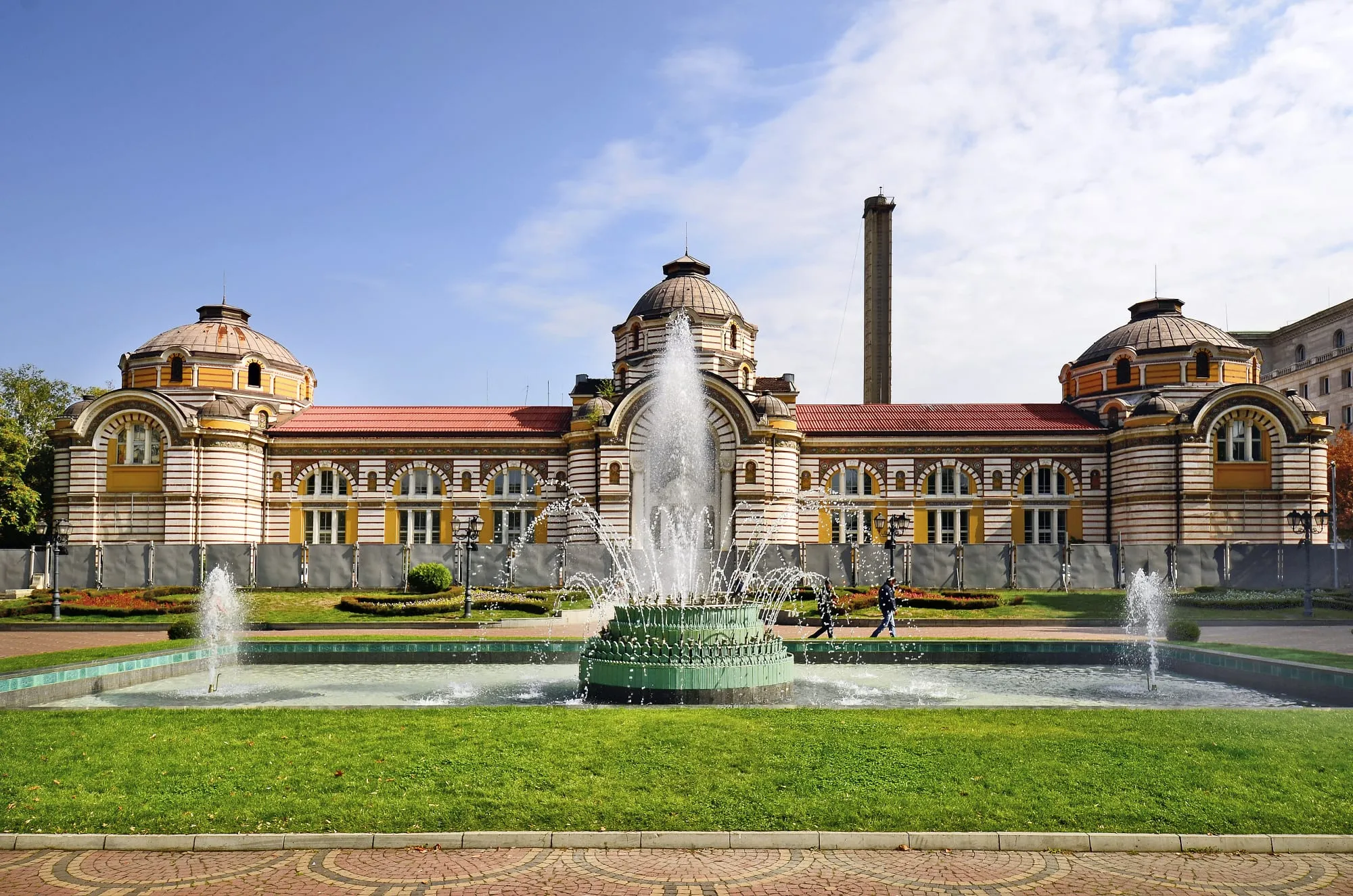
Contributions and Roles of Member Cities in the Eurocities Network: The Case of Sofia, Bulgaria
Innovation and Sustainability
Sofia is committed to sustainability and innovation, aiming to reduce CO2 emissions and promote green technology. The city implements ambitious plans to boost environmental health and sustainability.
Goals to Reduce CO2 Emissions
Sofia has set clear goals to reduce CO2 emissions. These include increasing the use of renewable energy sources, enhancing energy efficiency in public and private buildings, and promoting sustainable public transportation.
Promotion of Green Technology
Sofia actively promotes green technologies. This involves supporting local startups in the green tech sector, encouraging the use of energy-efficient appliances, and incentivizing eco-friendly businesses.
Official city website: www.sofia.bg
Smart City Initiatives
Sofia leverages cutting-edge technology to improve various aspects of urban life, such as cleaning waterways, enhancing healthcare, and optimizing traffic management.
Examples of Smart City Projects
- Implementation of smart waste management systems to ensure efficient garbage collection and recycling.
- Development of intelligent traffic management systems to reduce congestion and improve public transport schedules.
- Installation of sensors along the Iskar River to monitor water quality and prevent pollution.
Cultural and Social Projects
Sofia engages in various cultural and social projects to foster community spirit and support vulnerable groups. These projects aim to enrich the cultural landscape and ensure inclusivity.
Examples of Cultural and Social Initiatives
- Annual arts and culture festivals that bring together local and international artists.
- Support programs for homeless and low-income families, providing shelter and basic needs.
- Community engagement activities that celebrate the city's diverse cultural heritage.
Urban Planning and Development
Sofia's urban development projects focus on enhancing the city's livability and addressing climate change. These projects aim to create a more resilient and sustainable urban environment.
Examples of Urban Development Projects
- Revitalization of the city center, making it more pedestrian-friendly and accessible.
- Development of new parks and green spaces to promote outdoor activities and improve air quality.
- Upgrading public transportation infrastructure to reduce traffic congestion and emissions.
Youth and Education
Sofia is dedicated to creating a vibrant environment for students and young professionals. The city offers numerous educational initiatives and programs to support youth development.
Examples of Youth and Education Initiatives
- Scholarships and grants for students pursuing higher education in STEM fields.
- Internship programs in collaboration with local businesses to provide practical experience.
- Extracurricular activities and workshops that foster innovation and entrepreneurial skills among the youth.
Benefits of Participation in Eurocities
Sofia gains numerous benefits from participating in the Eurocities network. These advantages include:
- Access to a platform for sharing best practices and innovative solutions with other European cities.
- Opportunities to collaborate on joint projects and initiatives that address common urban challenges.
- Enhanced ability to attract funding and investment for local development projects.
- Strengthened connections and networks within Europe, facilitating cultural and economic exchange.
Sofia, Bulgaria
Location
Sofia is the capital city of Bulgaria, located in the western part of the country. Nestled at the foot of Vitosha Mountain, Sofia is situated within the Sofia Valley, surrounded by vast plains and is part of the Balkan Peninsula. Its geographic coordinates are 42.6977° N latitude and 23.3219° E longitude. This strategic location has historically placed Sofia at the crossroads of key trade routes connecting Europe and Asia.
Population
As of the most recent data, Sofia has a population of approximately 1.25 million people, making it the largest city in Bulgaria. The demographic composition of Sofia is diverse, with a mix of ethnic Bulgarians, minorities like Roma and Turks, and a growing expatriate community. The city exhibits a relatively young age profile, with a significant portion of the population between 25 and 45 years old.
Economic Overview
Sofia is Bulgaria's economic powerhouse, contributing significantly to the country's GDP. Key industries driving Sofia's economy include IT and technology, finance, manufacturing, trade, and services. The city is home to numerous multinational corporations, start-ups, and financial institutions. Sofia's GDP per capita is among the highest in Bulgaria, reflecting its role as an economic hub.
Historical Significance
Sofia boasts a rich and diverse history that dates back thousands of years. Originally a Thracian settlement called Serdica, it became an important city in the Roman Empire. Over the centuries, it has seen periods of Byzantine, Ottoman, and Bulgarian rule. Key historical events include its liberation from Ottoman rule in 1878 and its designation as the capital of Bulgaria in 1879. Sofia's historical layers are evident in its architecture and cultural landmarks.
Cultural Attractions
- Alexander Nevsky Cathedral: A stunning Orthodox cathedral and one of Bulgaria's symbols.
- National Palace of Culture (NDK): The largest multifunctional conference and exhibition center in Southeastern Europe.
- Vitosha Boulevard: A bustling pedestrian street lined with shops, cafes, and restaurants.
- Boyana Church: A UNESCO World Heritage Site known for its medieval frescoes.
- Sofia City Art Gallery: Showcasing contemporary Bulgarian art.
Education System
Sofia's education system includes a mix of public and private institutions, providing primary, secondary, and higher education.
- Primary and Secondary Education: Numerous public and private schools offering general and specialized education.
- Higher Education: Major institutions include Sofia University "St. Kliment Ohridski," the Technical University of Sofia, and the University of National and World Economy.
Transportation Infrastructure
Sofia's transportation network is well-developed, facilitating efficient movement within and outside the city.
- Public Transit: Includes buses, trams, trolleys, and a metro system with expanding lines.
- Sofia Airport: An international airport providing connections to major cities worldwide.
- Intercity Connections: Well-connected via railways and highways to other Bulgarian cities and neighboring countries.
Urban Development Projects
Sofia is engaged in several urban development projects aimed at enhancing sustainability, infrastructure, and quality of life.
- Green Sofia Initiative: Focuses on expanding green spaces and urban parks.
- Smart City Projects: Implementations of smart technologies for improving traffic management and public services.
- Vitosha Boulevard Revitalization: Enhancing the main pedestrian street with modern amenities and services.
Environmental Initiatives
Sofia has undertaken several initiatives to promote environmental sustainability.
- Air Quality Improvement Programs: Measures to reduce vehicle emissions and promote public transportation.
- Renewable Energy Projects: Investments in solar and wind energy to reduce the carbon footprint.
- Waste Management Systems: Improved recycling and waste management practices.
Quality of Living
Sofia offers a high quality of living with a range of amenities, services, and a robust healthcare system. The city provides a safe environment with a relatively low crime rate and a variety of recreational activities. The healthcare facilities are well-equipped, and there are numerous parks and cultural venues ensuring a vibrant lifestyle.
Quality of Life Indexes
Sofia ranks favorably on various quality of life indexes:
- Livability Rankings: Sofia is often listed among the top cities in Eastern Europe for livability.
- Health Indexes: Comprehensive healthcare services contribute to a high health index score.
- Environmental Quality Scores: Efforts in sustainability have improved air and environmental quality scores in recent years.
Municipal leadership
The office of Mayor is held by Vasil Terziev, in office since November 2023.
When this profile was published in 2024 the office was held by Yordanka Fandakova.
Office-holder from English Wikipedia and Wikidata Q472, checked September 2026.
Sofia: Quality of Life and Cost of Living
Quality of Life
Safety
With a safety index of 57.70, Sofia is considered moderately safe. Residents generally feel secure, with standard safety practices ensuring a comfortable living environment.
Healthcare
The healthcare system in Sofia has a quality index of 60.99. The city provides decent health facilities, with both public and private healthcare services accessible to residents, ensuring comprehensive medical care.
Cleanliness
Sofia is moderately clean with a pollution index of 66.34. Efforts are continually made to improve the city's air and environmental quality, contributing to a healthier lifestyle.
Transportation
The city scores 33 on the transportation index, reflecting its efficient and affordable public transportation system. Sofia's transport network includes buses, trams, and an expanding metro system, making it easy and convenient for residents to travel across the city.
Education
Sofia is home to notable educational institutions like Sofia University, which is renowned for its quality of education. The city's universities and schools offer comprehensive educational programs, contributing to high academic standards and a well-educated population.
Cost of Living
Housing
Housing in Sofia is quite affordable. The average rent for a 1-bedroom apartment in the city center is around 375€, making it an attractive choice for both locals and expatriates.
Groceries and Dining
- Monthly grocery costs for a single person average about 81€.
- Dining out in a mid-range restaurant typically costs around 15€ per meal.
Utilities
Monthly utility costs for an 85m2 apartment are approximately 85€, covering basic services such as electricity, heating, cooling, water, and garbage disposal.
Transportation
A monthly public transportation pass in Sofia costs only 26€, which offers unlimited use of the city's comprehensive public transport system.
Entertainment
- A membership to a fitness club costs about 19€ per month.
- Cinema tickets are generally priced around 5€, providing affordable options for leisure activities and entertainment.
Overall, Sofia stands out in the Eurocities network for its blend of quality of life and affordability. The city strikes a balance between efficient services, important amenities, and reasonable living expenses. This combination makes Sofia an appealing option for individuals seeking a high standard of living within a sustainable cost structure.
Data Source: Numbeo
The index values above are Numbeo’s readings at the time of writing in 2024. Numbeo recalculates them continuously, so for current figures see numbeo.com.


