
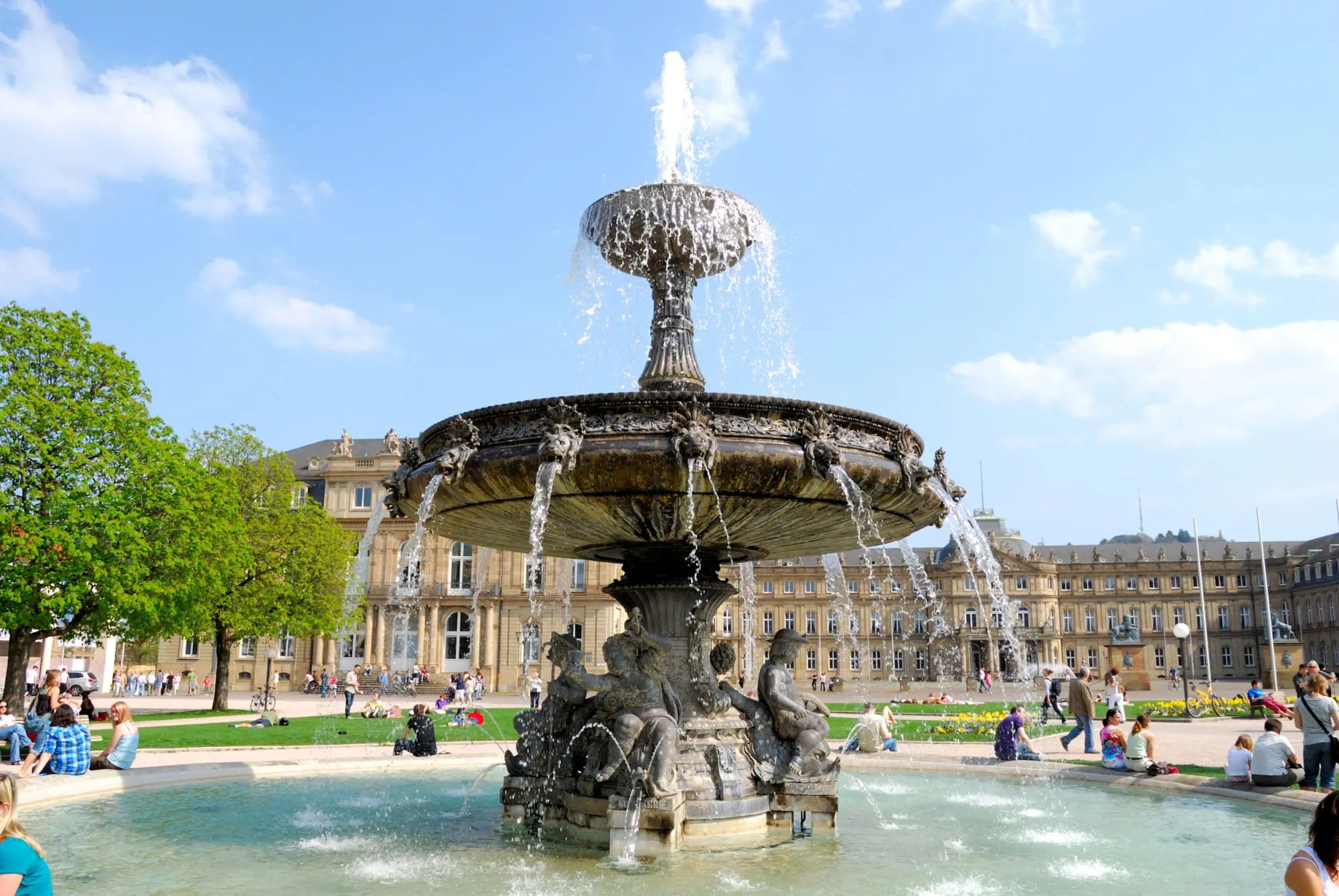
Contributions and Roles of Member Cities in the Eurocities Network
Innovation and Sustainability
Cities within the Eurocities network, including Stuttgart, Germany, are committed to innovation and sustainability. They have set ambitious goals to reduce CO2 emissions, promote the use of green technology, and support sustainable urban mobility. Stuttgart, in particular, has implemented a number of measures to create an environmentally friendly city.
Smart City Initiatives
Member cities, such as Stuttgart, leverage advanced technology to improve the quality of urban life. These smart city initiatives are aimed at enhancing various aspects of urban living, from environmental sustainability to public health.
Examples of Smart City Projects
- Implementation of IoT sensors to monitor and manage air quality
- Advanced waste management systems to streamline recycling processes
- Smart traffic lights and transportation systems to reduce congestion
- Deployment of telemedicine and mobile health services for better healthcare access
Cultural and Social Projects
Stuttgart and other cities within the network are actively engaged in cultural and social projects. These initiatives aim to foster community spirit, support vulnerable groups, and preserve cultural heritage. Through joint activities and social programs, cities promote inclusivity and cultural diversity.
Official city website: stuttgart.de
Examples of Cultural and Social Initiatives
- Annual Cultural Festival to celebrate diversity and local heritage
- Programs supporting refugees and integration of immigrant communities
- Free public workshops and art exhibitions to engage local residents
- Community outreach projects aimed at assisting the elderly and disabled
Urban Planning and Development
Urban planning and development are crucial aspects of the Eurocities network. Stuttgart has executed several significant projects focused on enhancing livability and addressing climate change. These projects are designed to create a more sustainable urban environment.
Examples of Urban Development Projects
- Revitalization of green spaces and the creation of urban parks
- Development of energy-efficient residential and commercial buildings
- Expansion of public transportation networks to reduce car dependency
- Infrastructure improvements to support bicycling and walking
Youth and Education
Creating vibrant environments for students and young professionals is a key commitment of Eurocities member cities. Stuttgart offers vast opportunities for youth and education, fostering learning and innovation among young people.
Examples of Youth and Education Initiatives
- Scholarship programs and partnerships with local universities
- Internship and apprenticeship opportunities with local businesses
- Interactive STEM workshops and coding boot camps for young students
- Youth engagement forums to involve young people in city planning
Benefits of Participation in Eurocities
Participation in the Eurocities network brings numerous benefits to member cities like Stuttgart. These include access to a vast pool of knowledge and resources, opportunities for collaboration on international projects, and the ability to shape policies at the European level. Moreover, they gain the chance to showcase their best practices on a global stage and to attract investments and talent to their regions.
City Description: Stuttgart, Germany
City Name
Stuttgart
Location
Stuttgart is situated in southern Germany and serves as the capital of the state of Baden-Württemberg. The city lies along the Neckar River and is surrounded by lush vineyards and forested hills, making it a picturesque urban center in the region.
Population
As of the latest estimates, Stuttgart has a population of approximately 630,000 residents. The metropolitan area has a combined population of around 2.8 million. The city is known for its diverse population and has a significant percentage of residents from various ethnic and cultural backgrounds.
Economic Overview
Stuttgart is one of Germany’s leading economic centers, especially known for its strong automotive and engineering industries. The city is home to major global companies like Porsche and Daimler AG (Mercedes-Benz). The city's GDP is robust, with a focus on high-tech industries, research and development, and advanced manufacturing. Financial services, information technology, and green technology also play crucial roles in the economy.
Historical Significance
Stuttgart's history dates back to its founding in the 10th century. It was originally established as a stud farm, indicated by its name "Stutengarten." Over the centuries, it evolved into a significant cultural and economic hub. Key historical events include its development as a ducal and later a royal residence, and its rebuilding after extensive damage during World War II. The city has managed to preserve much of its historical architecture and charm.
Cultural Attractions
- Staatsgalerie Stuttgart: One of Europe’s leading art museums, showcasing works from the 14th century to contemporary art.
- Porsche Museum: A must-visit for car enthusiasts, detailing the history of the iconic brand.
- Wilhelma Zoo and Botanical Garden: A unique combination of botanical gardens and a zoo, housed in a former royal palace.
- Stuttgart Beer Festival: Also known as Cannstatter Volksfest, this is one of the largest beer festivals in the world.
- Stuttgart Ballet: Renowned for its world-class performances and innovative choreography.
Education System
Primary and Secondary Education
Stuttgart offers a comprehensive education system with numerous elementary and secondary schools. The city has a mix of public and private institutions, many of which offer bilingual education and advanced STEM programs.
Higher Education
The city is home to several prestigious universities and colleges, such as the University of Stuttgart, which is renowned for engineering, architecture, and aerospace programs, and Stuttgart Media University, specializing in media and communications studies.
Transportation Infrastructure
Stuttgart boasts a well-developed transportation network which includes:
- Public Transit: An extensive system of buses, trams, and S-Bahn trains ensures efficient and reliable public transportation within the city and surrounding regions.
- Stuttgart Airport (STR): Located approximately 13 kilometers south of the city center, it offers both domestic and international flights.
- Rail Connections: The city's main train station, Stuttgart Hauptbahnhof, provides high-speed rail connections (ICE) to major cities across Germany and Europe.
- Road Network: Excellent road infrastructure with connections to major highways like the A8 and A81.
Urban Development Projects
Stuttgart is undertaking significant urban development initiatives aimed at enhancing sustainability and quality of life. Key projects include:
- Stuttgart 21: A large-scale rail and urban development project aimed at improving the efficiency of the transport system and increasing green spaces.
- The Rosenstein Quarter: A new urban district focused on sustainable living, with plans for residential, commercial, and leisure spaces.
Environmental Initiatives
Stuttgart places a strong emphasis on environmental sustainability. Key initiatives include:
- Clean Air Plan: Measures to reduce air pollution, including low-emission zones and incentives for electric vehicles.
- Green Energy Programs: Investments in renewable energy sources such as wind, solar, and biomass.
- Urban Green Spaces: Expansion of parks, rooftop gardens, and community green areas to promote biodiversity and improve urban air quality.
Quality of Living
Stuttgart offers a high quality of life, characterized by excellent healthcare facilities, safety, and a wide array of amenities. The city is known for its clean and green environment, numerous cultural and recreational activities, and a strong sense of community.
Quality of Life Indexes
- Mercer Quality of Living Survey: Stuttgart frequently ranks high in global livability rankings, noted for its cleanliness, infrastructure, healthcare, and education.
- Healthcare Index: The city has modern and well-equipped healthcare facilities, contributing to high health outcomes and patient satisfaction.
- Environmental Quality: Stuttgart scores high on environmental quality due to its clean air, green spaces, and sustainability initiatives.
Municipal leadership
The office of Mayor is held by Frank Nopper, in office since January 2022.
Office-holder from English Wikipedia and Wikidata Q1022, checked September 2026.
Stuttgart, Germany: Quality of Life and Cost of Living
Quality of Life
Safety
Stuttgart has a safety index of 61.41 as of 2020, indicating a relatively safe environment for its residents. The city manages to offer a secure living space, making it an attractive destination for families and professionals alike.
Healthcare
The healthcare system in Stuttgart is remarkable, with a healthcare quality index of 73.45. This underscores the excellence of healthcare services available, including advanced medical facilities and highly qualified healthcare providers.
Cleanliness
With a pollution index of 38.22, Stuttgart is considered quite clean. Efforts to maintain a pristine environment are evident, and residents benefit from the city's commitment to sustainability and ecological balance.
Transportation
Stuttgart boasts a well-structured and efficient public transportation system, reflected in its transport index of 33.75. The city offers a comprehensive network of buses, trams, and trains, ensuring that commuting is convenient and reliable.
Education
Stuttgart is home to a number of high-quality educational institutions, notably the University of Stuttgart. These institutions offer a range of programs and have garnered strong reputations for their academic rigor and research output, contributing to the city's intellectual and cultural richness.
Cost of Living
Housing
The average monthly rent for a 1-bedroom apartment in the city center is €842.56. Housing in Stuttgart is relatively affordable compared to other major German cities, offering residents a balance between cost and comfort.
Groceries and Dining
- Monthly grocery costs for a single person: €279.78
- Average cost of a meal in an inexpensive restaurant: €12.00
Groceries and dining are reasonably priced in Stuttgart. The cost of feeding oneself on a monthly basis is moderate, and dining out remains an affordable luxury for most residents.
Utilities
The monthly utility costs for an 85m² apartment average about €193.36. This includes essential services such as heating, electricity, water, and waste disposal, reflecting the city's efficiency in managing utility services.
Transportation
A monthly public transport pass in Stuttgart costs €79.00, making it a cost-effective option for daily commuters. The city's well-integrated transport system offers a reliable and economical solution for getting around.
Entertainment
- Fitness club monthly fees for 1 adult: €29.60
- Cinema ticket: €11.00
Leisure activities in Stuttgart are also reasonably priced. Whether it's a fitness club membership or a night out at the movies, residents find it easy to enjoy their free time without breaking the bank.
Role within the Eurocities Network
In the Eurocities network, Stuttgart plays a vital role by showcasing how a city can maintain high living standards while keeping costs within a reasonable range. The city's balanced approach to quality of life and cost of living makes it a model for urban living in Europe.
Data referenced from Numbeo.
The index values above are Numbeo’s readings at the time of writing in 2024. Numbeo recalculates them continuously, so for current figures see numbeo.com.


