
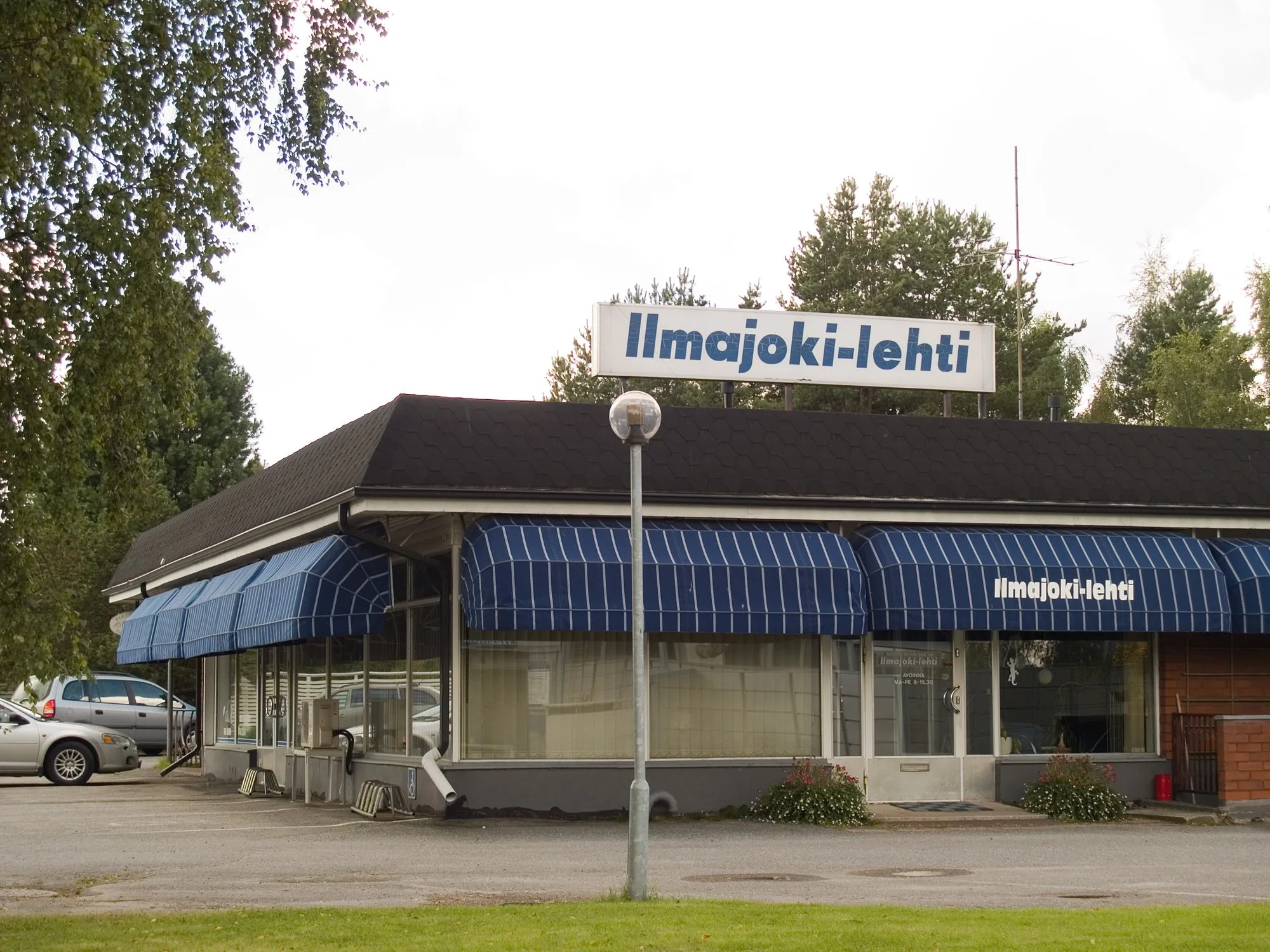
Every interview on this site was recorded in a city that has its own press. Or that is the assumption. When I sat down with a deputy mayor in Chișinău, a council chairman in Lahti, a district manager in Rotterdam, I took for granted that somebody local would be there the following week to ask the harder follow-up.
The Local Media for Democracy project, run through the Centre for Media Pluralism and Media Freedom at the European University Institute, set out to test that assumption across all 27 EU member states, using 55 variables covering market conditions, journalists’ safety, editorial independence and social inclusiveness.
Its most useful result is not a ranking. It is an admission. The project’s interactive maps cover roughly half of the EU-27, and the report names the reason: a considerable lack of data on the geographical distribution of local media, on their finances and revenues, and on who is actually reading them.
A gap you cannot photograph
A news desert is not a dramatic thing to look at. Nothing burns down. A title stops printing, or keeps printing and stops sending anyone to the council meeting. The building stays. The masthead stays. What goes is the person who would have noticed.
That makes it uniquely hard to report — and uniquely easy for a city to ignore. When a bus route is cut, the people who used it complain. When the last reporter covering a mid-sized city moves to a national desk, nobody organises. The consequence shows up years later as a procurement scandal nobody caught, or a turnout figure nobody explains.
Why this sits on a site about cities
The association’s statute puts countering disinformation first, ahead of everything else we do. It took me a while to understand that in practice this is less about arguing with false claims and more about who is left to establish true ones.
Disinformation does not thrive where there is a strong local newsroom and somebody sceptical at the back of the room. It thrives in the vacuum — where the only account of what the council decided is the account the council publishes. Every city we profile is a city where that vacuum either exists or does not, and the honest answer is that for about half of Europe, nobody can currently tell you which.
What we do about it, concretely
Three things, none of them heroic.
We publish the office and the date next to every official we name, so a reader can tell how old our information is and check it themselves. We link outward to the newsrooms we trust rather than summarising them, on our Truth Tellers page — because the point is to send you to them, not to stand between you and them. And when we interview someone in a city, we put the whole answer on the record, at length, rather than the quotable sentence.
None of that fills a news desert. It does mean that when we are the only outside account of a city’s project, we are an account you can check.